
The Inevitability of Fate
A Streetcar Named DesireThe play suggests that the characters are trapped by forces beyond their control—class, gender, and desire—leading to a predetermined tragic outcome.
increasing Bearing strength in each event
 decreasing
Bearing strength in each eventdecreasingBlanche's Inescapable Past
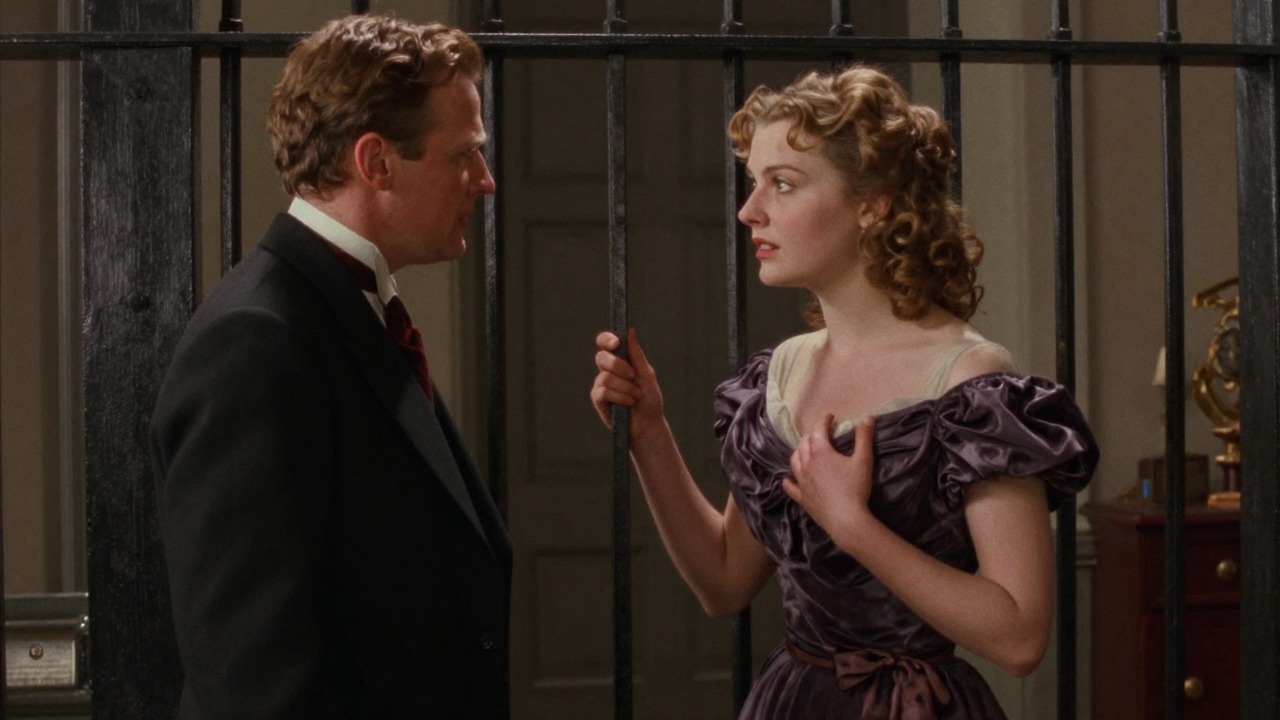
The Weight of History
The Consequences of Actions
Blanche's past is not something she can escape. Her reputation in Laurel follows her, and Stanley's investigation brings it to light. She is defined by her previous actions, and she cannot outrun them. The play suggests that the past is a prison, and the characters are doomed to repeat their mistakes.
The Tragic Pattern
Blanche's story is a tragedy in the classical sense: she is a good person with a fatal flaw. Her flaw is her inability to face reality, and this flaw leads to her destruction. The events of the play seem inevitable, as if they were preordained. The theme of fate is reinforced by the music and the imagery, which create a sense of doom.
The Final Act of Fate

The Inevitable End
The Departure
Blanche's departure is inevitable. There is no other place for her to go. The play has been building toward this moment since the beginning. The forces of fate have conspired to bring her to this point: her own actions, Stanley's cruelty, Stella's weakness. The ending is not a surprise; it is a fulfillment of the tragic arc.
The Meaning of Fate
The play does not offer a comforting message about fate. It suggests that life is a series of events that are determined by character and circumstance, and that some people are doomed from the start. Blanche's tragedy is that she was born into a dying world, and she lacks the strength to survive in the new one. The theme of fate is a somber reminder of the limits of human agency.
throughout the play, especially in scenes seven and nine
final scene, some weeks after the rape
